 Skip to main content

How AI and Automation Are Changing the Logistics Industry
What is 3PL and Why It Matters
The logistics industry is undergoing a rapid transformation. Artificial Intelligence (AI) and automation are no longer futuristic concepts—they are here, and they’re reshaping how goods move from point A to point B. From predictive analytics and smarter routing to automated warehouses and autonomous vehicles, these technologies are improving efficiency, reducing costs, and setting new standards in supply chain management.
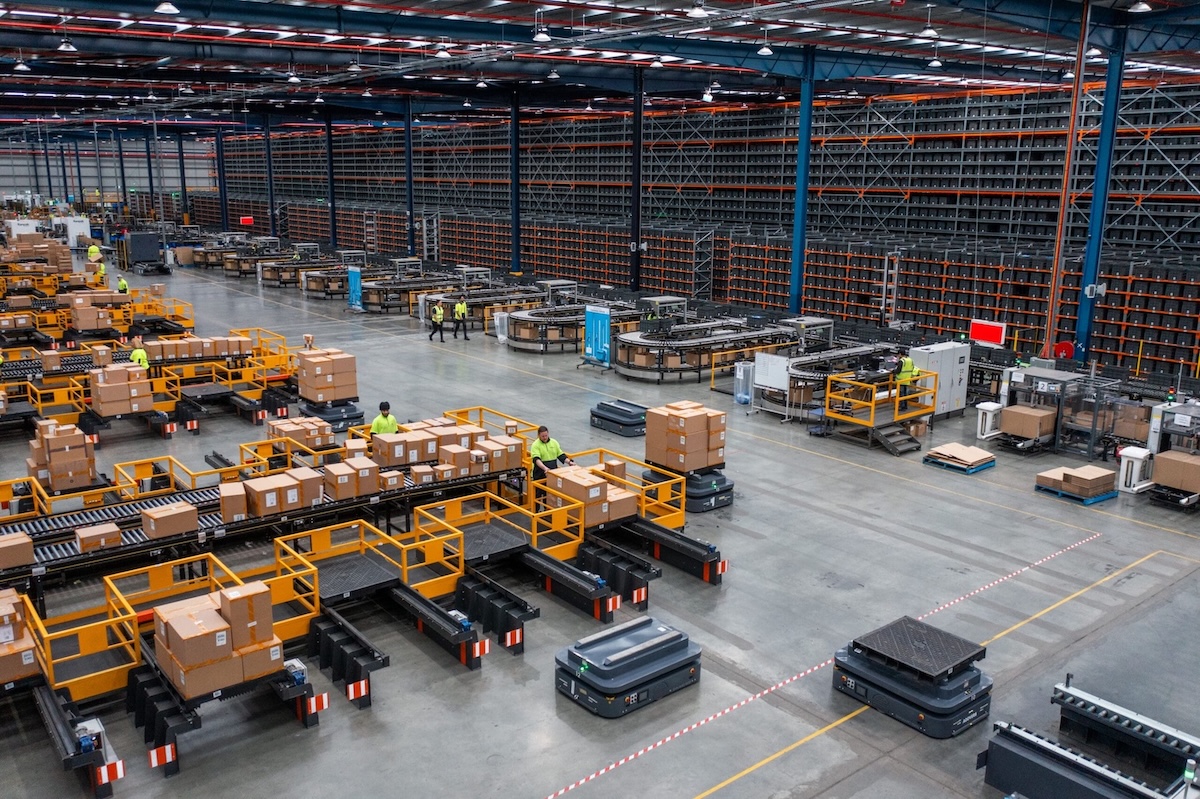
In this blog, we’ll explore how AI and automation are making an impact and why third-party logistics providers (3PLs) in Ontario and across Canada are investing in these advancements.
1. Smarter Decision-Making with AI
AI has become a powerful tool in logistics planning. Machine learning algorithms can analyze historical data and predict demand patterns with greater accuracy. This allows businesses to:
- Forecast seasonal peaks and optimize inventory.
- Minimize stockouts or overstocking.
- Make smarter procurement and routing decisions.
For 3PL providers in Canada, this means being able to anticipate client needs and streamline supply chains before problems occur.
2. Automated Warehouses
Automation inside warehouses is redefining order fulfillment. Robotics and AI-powered systems are handling tasks that once required large teams, such as:
- Picking and packing orders with robotic arms.
- Scanning and tracking inventory using automated guided vehicles (AGVs).
- Reducing human error through barcode and RFID scanning.
The result is faster order processing and more consistent accuracy—two critical factors for keeping up with today’s e-commerce demands.
3. Autonomous Transportation and Last-Mile Delivery
The rise of self-driving vehicles and drones is revolutionizing transportation. While still in development, these technologies promise to:
- Lower labor costs for long-haul trucking.
- Enhance delivery speed in urban and remote areas.
- Improve safety with AI-driven navigation and real-time traffic adjustments.
For Canadian 3PL providers, last-mile delivery remains one of the most expensive and complex challenges. AI-powered solutions can significantly reduce costs while meeting rising customer expectations for speed.
4. Real-Time Visibility and Tracking
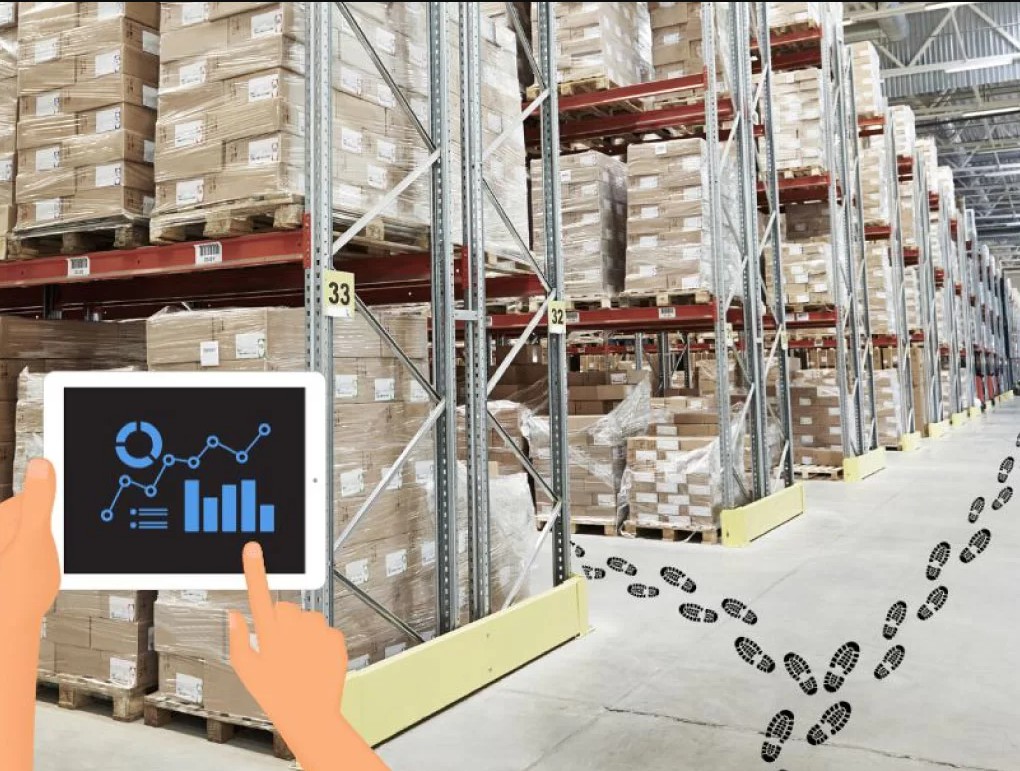
AI and automation are also transforming supply chain visibility. With IoT sensors and predictive analytics, logistics providers can:
- Monitor shipment locations in real time.
- Predict potential delays (weather, customs, traffic).
- Offer customers greater transparency throughout the shipping process.
This level of visibility builds trust with clients and helps 3PLs stand out in a competitive market.
5. Sustainability Through Optimization
Sustainability is becoming a top priority in logistics. AI helps reduce the industry’s carbon footprint by:
- Optimizing routes to cut fuel consumption.
- Automating warehouse energy use.
- Reducing packaging waste through smart design.
Canadian businesses, in particular, are focusing on greener supply chain practices, and AI provides the tools to make these goals achievable.
Final Thoughts
The logistics industry is changing at a pace we’ve never seen before. AI and automation are not replacing people but empowering them—freeing up staff from repetitive tasks so they can focus on higher-value problem-solving and customer service. For 3PL providers in Ontario and Canada, adopting these technologies isn’t just an option—it’s a necessity to stay competitive in a global market that expects faster, smarter, and more sustainable solutions.
At Lane Logistics, we’re keeping a close eye on these advancements to ensure we continue delivering the reliable and innovative services our clients need.