 Skip to main content

How 3PL System Integration Improves Supply Chain Operations
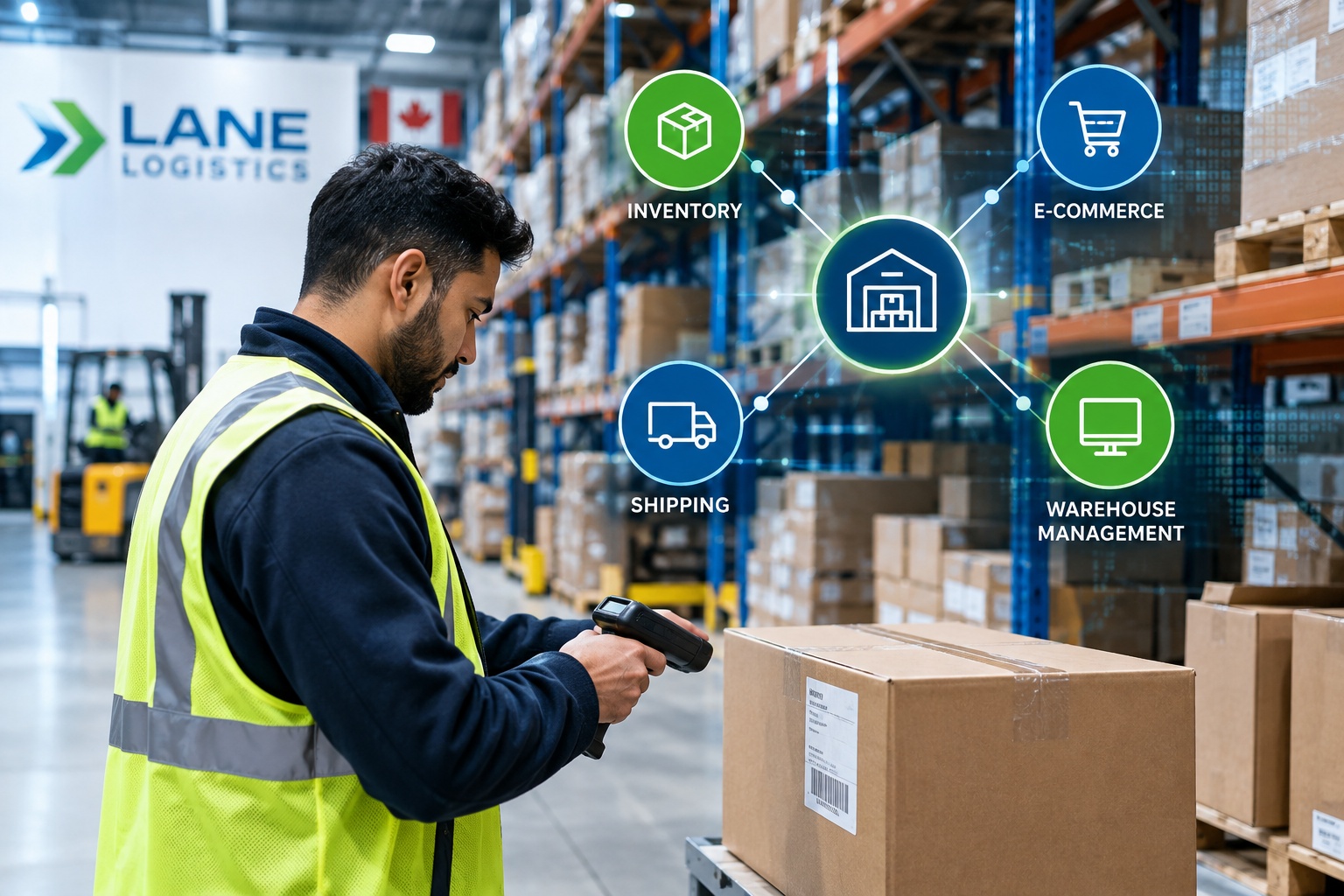
Modern logistics is no longer just about moving products from one location to another. Behind every shipment is a network of systems working together — from inventory and warehouse management to e-commerce platforms, carriers, order management systems, and customer portals.
When these systems are connected properly, information can move with the same speed as the products themselves. For 3PL providers, system integration can reduce manual work, improve accuracy, and give both the warehouse team and customers a clearer view of what is happening throughout the supply chain.
Core 3PL Services Explained
1. Reducing Manual Data Entry
One of the biggest advantages of system integration is reducing the amount of information that needs to be entered manually. Without integration, warehouse teams may need to move order information between multiple systems. This can take time and creates opportunities for errors such as incorrect quantities, addresses, SKUs, or shipping details.
Integrated systems allow information to flow automatically between platforms. For a 3PL, this means employees can spend less time re-entering information and more time focusing on warehouse operations, order fulfillment, and customer needs.
2. Keeping Inventory Information Consistent
Inventory accuracy is critical to successful fulfillment. When inventory information is spread across different systems, keeping everything synchronized can become challenging. A delay between systems could result in inventory levels that don't accurately reflect what is physically available.
System integration helps keep inventory information consistent across connected platforms. When an order is received, inventory can be updated through the connected workflow, helping reduce the risk of overselling products or promising inventory that is no longer available.
For growing businesses, this becomes even more important as order volumes increase and inventory moves through multiple channels.
3. Connecting E-Commerce With Warehouse Operations
E-commerce has changed the way warehouses operate. Customers expect orders to move quickly, while businesses need accurate information about what has been ordered, picked, packed, and shipped.
Integrating e-commerce platforms with a 3PL's warehouse systems can help automate this process. Orders can flow into the warehouse, where they can be processed by the fulfillment team. Once an order ships, tracking information can then be sent back through the connected systems.
This creates a smoother connection between the customer's online purchase and the physical warehouse operation behind it.
4. Improving Shipping and Tracking
Shipping involves another important part of the supply chain: carriers. A 3PL may work with multiple transportation providers depending on the shipment, destination, service level, or customer requirements.
Connecting warehouse and shipping systems can make it easier to transfer shipment information between the appropriate platforms. Tracking information can also flow back into customer-facing systems, giving businesses better visibility into their shipments without requiring warehouse staff to manually provide updates for every order.
The result is a more connected process from fulfillment to final delivery.
5. Giving Customers Better Information
Technology is also changing what customers expect from their 3PL partners. Businesses want more than simply knowing that an order was shipped. They want access to accurate information about inventory, orders, shipments, and fulfillment activity.
Integrated systems can help provide that information more efficiently. Whether it is through automated notifications, customer portals, reports, or connected business systems, better integration can give customers greater visibility into their logistics operations. This also reduces the need for back-and-forth communication simply to answer routine status questions.
6. Making Growth Easier
A logistics process that works well for 100 orders a week may not work as efficiently when that volume becomes 1,000 or 10,000. This is where scalable technology becomes important. Well-integrated systems can help businesses handle increasing order volumes without relying entirely on additional manual processes.
For a 3PL, this can support customers as they grow into new sales channels, add products, expand their distribution network, or experience seasonal increases in demand. Integration doesn't replace the people managing the operation. Instead, it gives them better tools to manage more information and activity.
7. Creating a More Connected 3PL Operation
The modern supply chain depends on information moving between many different systems. When those systems operate separately, teams may spend unnecessary time entering data, checking information, and resolving discrepancies. When they are connected, information can move more efficiently from one stage of the process to the next.
At Lane Logistics, technology is an important part of creating efficient, reliable warehousing and distribution solutions for Canadian businesses. By combining capable warehouse operations with connected systems and processes, 3PL providers can help businesses keep pace with the demands of modern logistics.
Final Thoughts
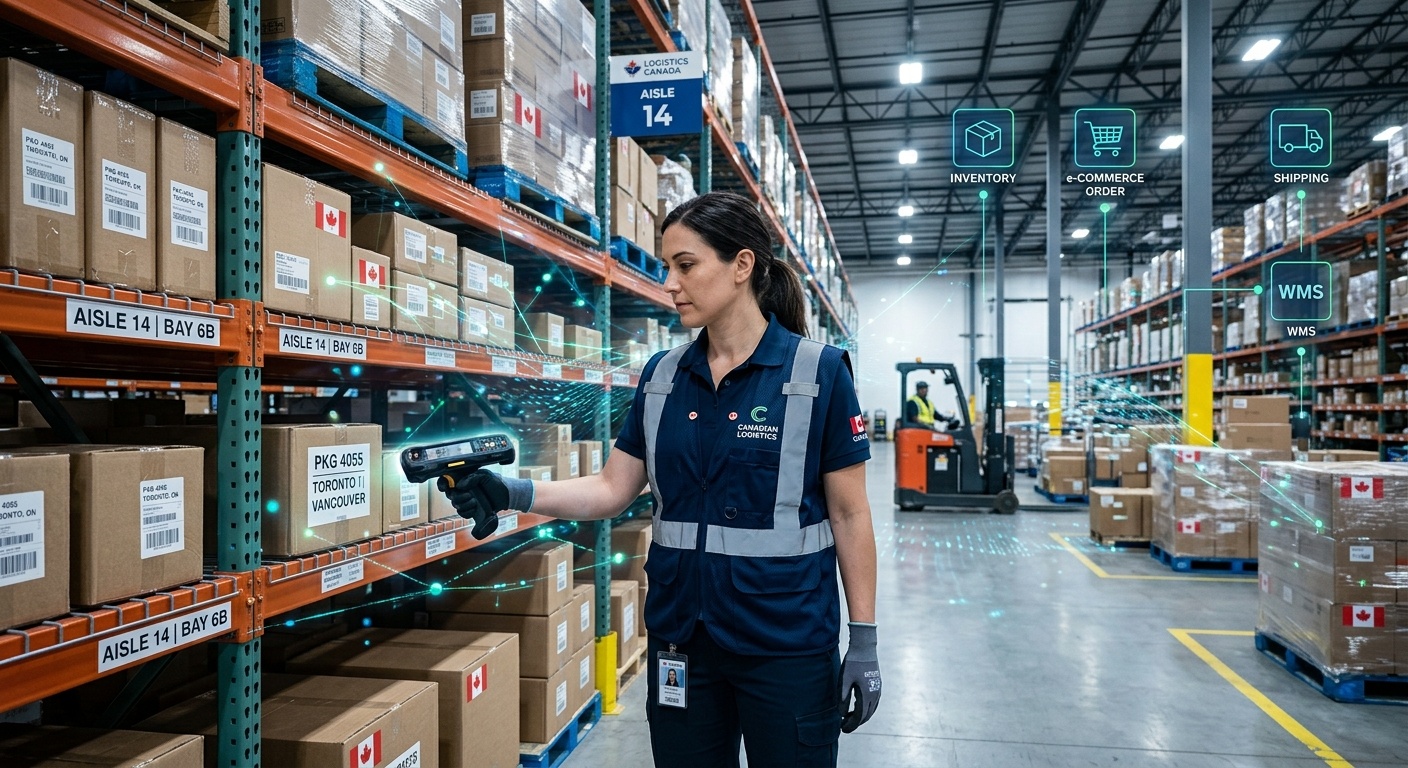
System integration may happen behind the scenes, but its impact can be seen throughout the supply chain. From receiving an online order to updating inventory, fulfilling the shipment, providing tracking information, and keeping customers informed, connected systems can help create a smoother logistics process. As supply chains become more complex, the ability to connect the different pieces of the operation will become increasingly important.
For businesses looking for a connected 3PL warehousing and distribution partner in Ontario and across Canada, Lane Logistics can help build a logistics operation designed to support both today's needs and tomorrow's growth.